I certainly wouldn’t mind spending my last hours in a well-stocked wine cellar, but the way this couple was killed isn’t the way I imagined it.
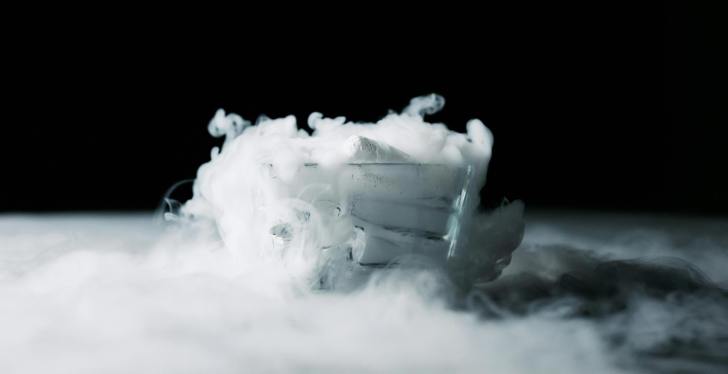
Dry ice has its benefits, such as the incredibly cold temperatures it can reach and its prolonged solid form compared to water. However, it is also potentially hazardous due to the gases released. People often don’t realize this and use it in unsafe ways.
For one Texas couple, insufficient ventilation in their wine cellar led to their being killed by dry ice. While preparing for the July 4th festivities, the two of them went to their cellar and were asphyxiated by carbon dioxide fumes.
Fatal Fumes Cut Independence Day Festivities Short
The couple in their wine cellar, preparing for the festival, were unaware of the toxic gas released by the dry ice. Without proper ventilation, the melting ice releases carbon dioxide. This gas, when breathed, is fatal to humans.
“There was dry ice being stored in the wine cellar,” Housing police Lt. Larry Crowson explained to KHOU-TV News. “When dry ice melts, it turns into carbon dioxide [gas]. Unfortunately, it appears the two people who went into the wine cellar were overcome.”
While preparing for their upcoming party, the couple had been poisoned by the dry ice fumes in their wine cellar. Police were called to the property by a concerned citizen. When firefighters arrived at the scene, they noted a hazardous smell. Before they were able to enter the wine cellar, they were forced to don breathing apparatus.
When they managed to gain access to the property, the couple was found dead. Both of them were pronounced dead at the scene.
There is always a massive increase in deaths and injuries around Independence Day in the United States. However, the majority of them are after the wine cellar has been raided and the fireworks have made an appearance. This couple decided to get on the fatality trend a little early this year.
Always make sure you are careful when using chemicals like dry ice. Proper ventilation is always essential to avoid potential hazardous gas buildup.